Architectural Psychology: Why Spaces Move Us
Whether it’s a park, a housing estate or an old building — places evoke feelings. How architecture affects us and what makes a space good.

How often have you been in a place — a park, a shopping centre, a house — and felt uncomfortable or irritable, or, on the contrary, safe and cheerful? This is rarely a coincidence. Spaces have an effect on us long before we even think about it, and this effect can be described.
What architectural psychology studies
Architectural psychology examines how the built environment affects perception, mood and behaviour. Lighting, proportions, materials and views all play a part in determining whether we feel at ease in a place. A room three metres high feels different from one two and a half metres high, even if the floor area is the same; a window overlooking a courtyard has a different calming effect to one facing the street.
Light, Material, Orientation
Daylight has been shown to reduce stress and stabilise sleep patterns; natural materials such as wood, stone and textiles have a calming effect because our senses are familiar with them. Clear spatial sequences provide a sense of direction — you know where you are and where you’re going. Good architecture is therefore never just about aesthetics: it is a quality of life that you experience every day but rarely put into words.
Conversely, a room with no natural light, a low ceiling and no view of the outside makes you feel tired, even if it is large. Many people recognise this from their offices and wonder why they are able to work better at home, in their smaller, older flat.
The Viennese historic building as a case study
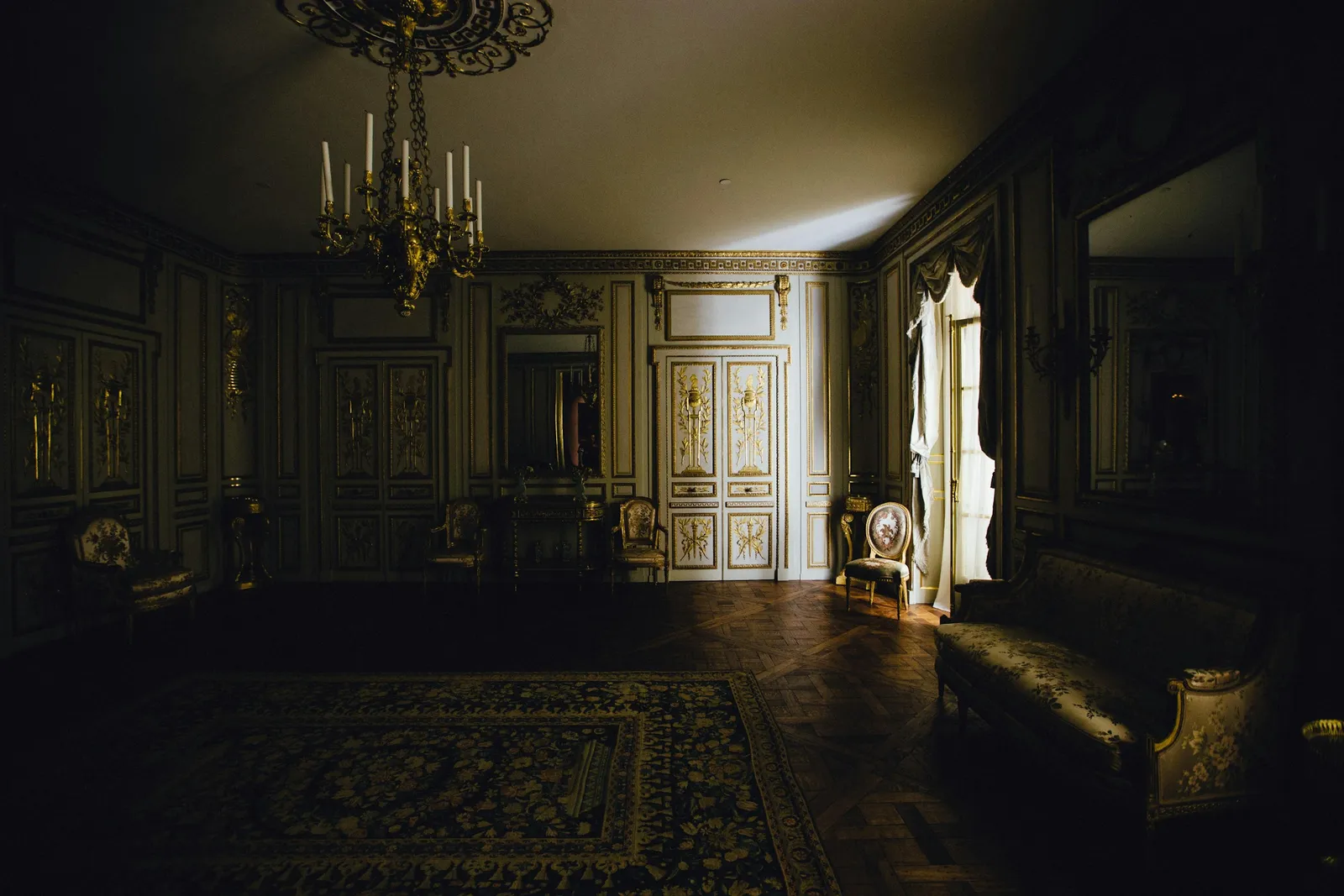
This Gründerzeit building is, quite by chance, a textbook example of architectural psychology: high ceilings, large windows, open-plan rooms with unobstructed views, and inner courtyards offering a tranquil respite from the street. The fact that these flats have been in high demand for over a hundred years has less to do with nostalgia than with proportions that are in harmony with human needs.
For property developers and planners
Architectural psychology can also be applied to new-build projects: rooms that open up to the light, open spaces that are actually used, and circulation routes that allow people to meet without causing a disturbance. Projects that take this seriously sell more quickly — not because they offer more square metres, but because prospective buyers immediately feel at home in the show flat.
What you can check during the viewing
Come along at different times of day. Stand by the window where you’ll be spending most of your time. Listen for a minute. See if the walk from the front door to the living room feels natural. These impressions aren’t trivial — they’re the reason why you’ll still enjoy coming home in five years’ time.
What we look out for
When assessing a property, we don’t just look at square metres and yield, but also at these subtle qualities: How does the light fall in the afternoon? Where do you stand when you enter the flat? Is there a place where you can find peace and quiet? After all, a home is measured by how it feels — and buyers sense this from the very first minute, even if they only put it into words at the very end.