Renovate rather than demolish: the value of the building itself
Europe is holding its building stock to account, whilst Vienna is protecting its ‘Gründerzeit’ architecture. Why renovation is not a burden but an opportunity for owners.
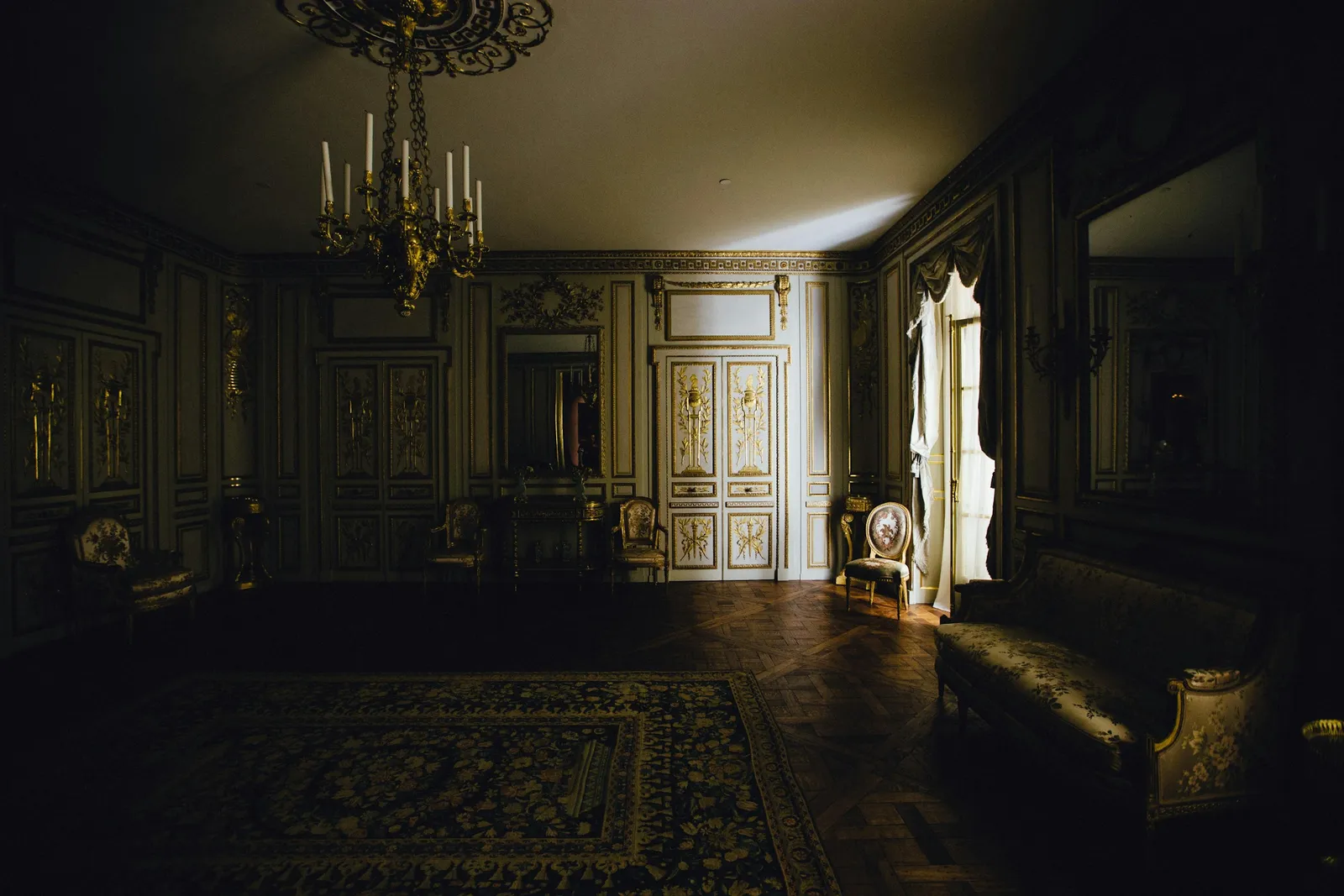
A Gründerzeit-era house has already weathered two world wars, several currencies and countless fashion trends. It will also weather the energy transition — if we let it. The question is not whether to renovate, but how wisely: with an understanding of the building’s structure, an eye on available grants, and a plan that extends beyond the next heating season.
We see many homeowners experiencing a mixture of respect and feeling overwhelmed: the house is valuable, the regulations are becoming stricter, and the quotes from building firms contradict one another. This article helps to make sense of it all.
The scope is narrowing
The European Buildings Directive requires the existing building stock to become more energy-efficient — with targets focusing first on the buildings with the highest energy consumption. Austria is implementing this gradually, and the federal states’ housing subsidies have long been linked to energy efficiency criteria. Anyone carrying out renovation work today is doing so within a framework that will be stricter in ten years’ time than it is today.
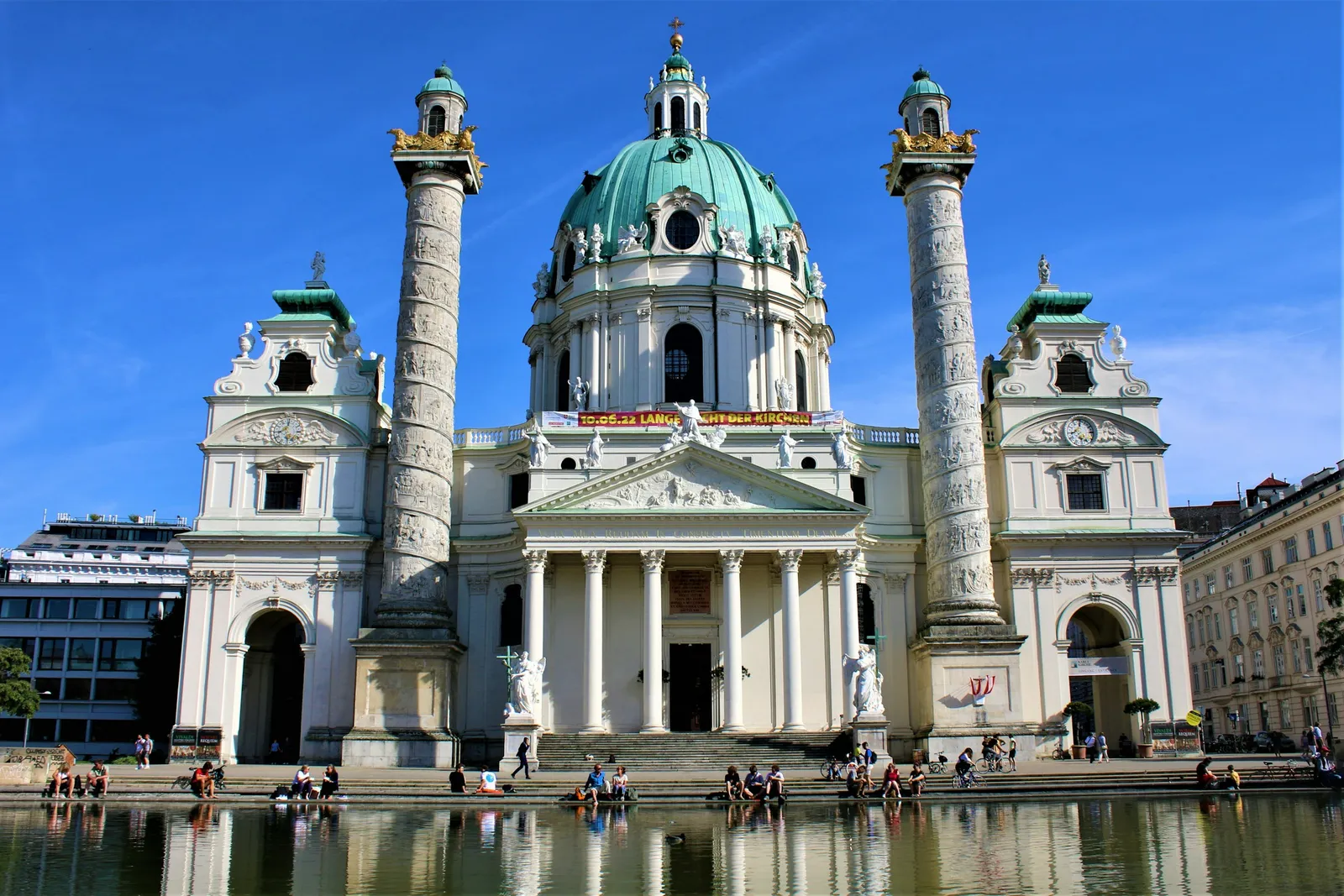
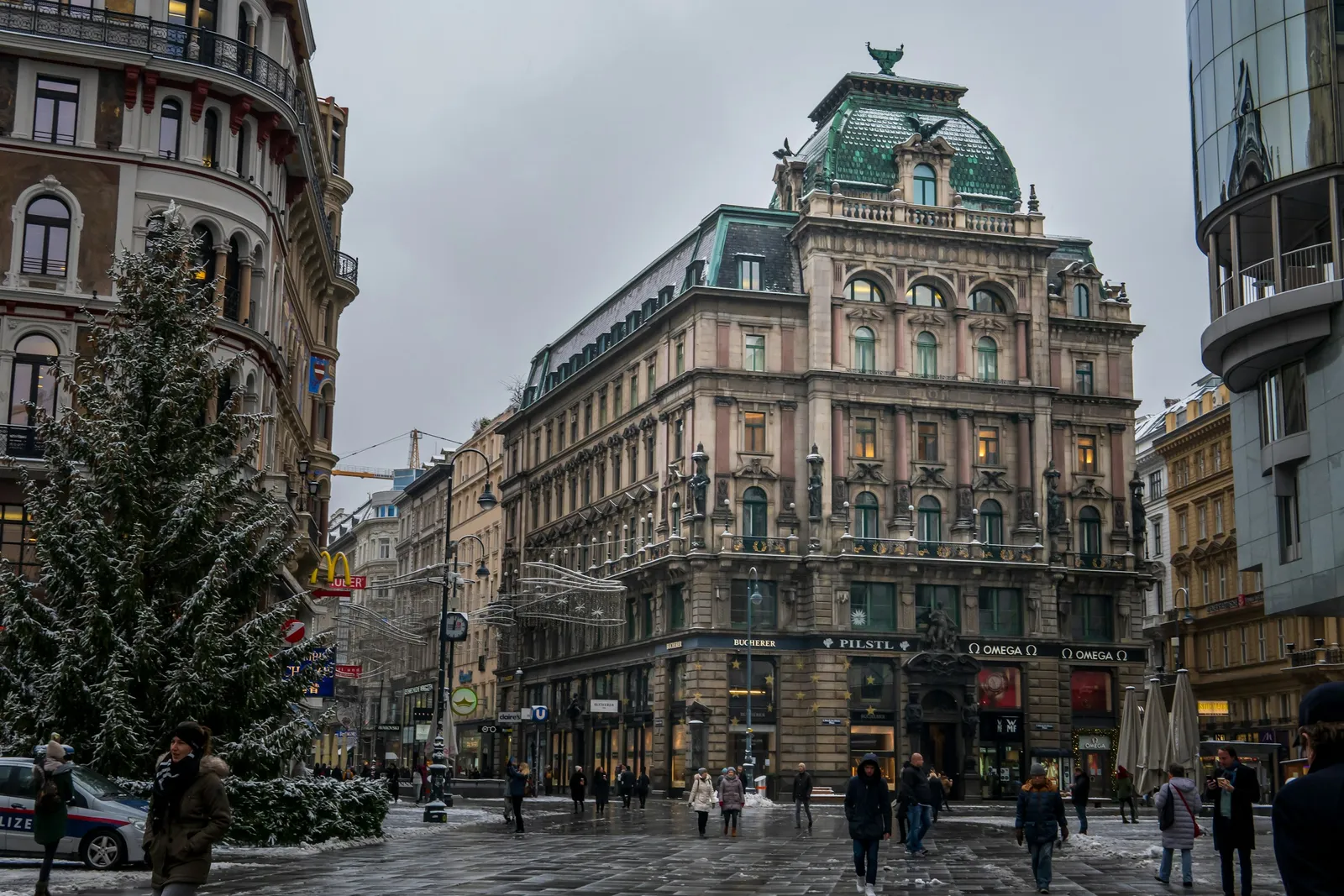
At the same time, Vienna is protecting its Gründerzeit neighbourhoods: since the 2018 amendment to the Building Regulations, the demolition of houses dating from before 1945 requires a permit, and in conservation areas it has become the exception. For owners, this means that the value of their house lies in its physical structure — and in what they make of it. In most cases, demolishing and rebuilding is no longer an option. This is a good thing, and it also makes economic sense.
The benefits of refurbishment
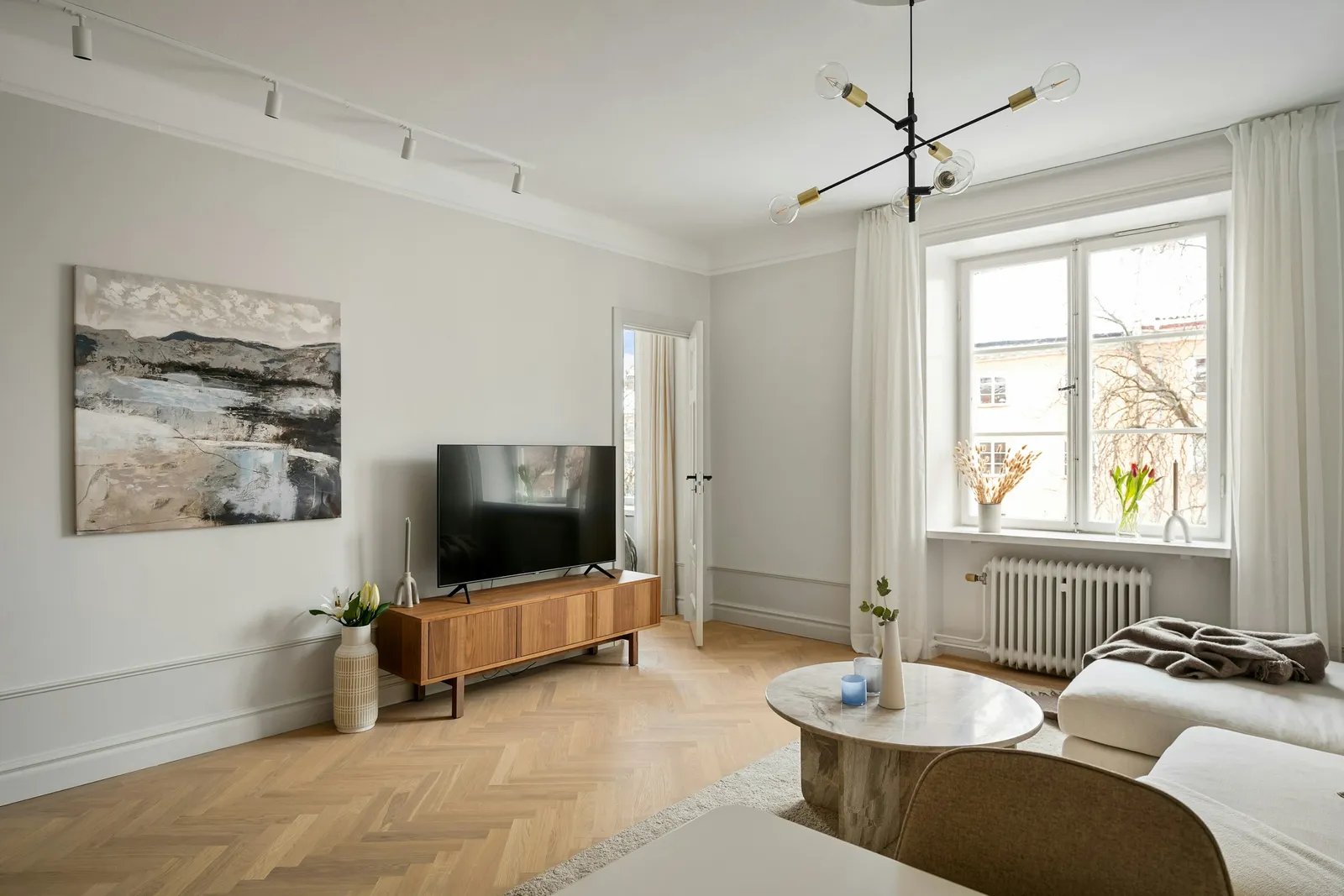
A refurbished old building is not a compromise, but a premium product: thick walls, high ceilings, new windows, a modern heating system, and a façade that looks as good as it did on the first day. Running costs fall significantly, rents rise when the property is re-let because tenants are willing to pay for low heating costs and a building in good condition, and the energy performance certificate changes colour — which translates into hard cash when the property is sold.
Added to this are the benefits that cannot be measured in kilowatt-hours: a refurbished house retains its tenants, attracts better ones and becomes a benchmark property on the street. The investment pays off twice over — in terms of rental income and property value.
The steps in the correct order
The first step is to carry out a survey: what is the condition of the roof, façade, windows, pipework and heating system? An energy adviser uses this information to draw up a plan — which measures will deliver what benefits, in what order, and at what cost. This order is crucial: the building envelope first, then the technical systems. If you replace the heating system before the windows are properly sealed, you’ll end up with one that’s the wrong size.
Typical stages include the roof, with insulation of the top floor slab; the windows; the façade — in protected areas, from the inside or taking the building’s layout into account; and, finally, the heating system: in Vienna, this is often district heating where the network extends, otherwise a heat pump, which works in older buildings provided the building envelope has been upgraded beforehand. Riser pipes and electrical wiring are dealt with whilst the walls are open anyway.
Understanding funding opportunities
The federal government and the city provide financial support for thermal refurbishment and the replacement of heating systems through grants that can cover a significant proportion of the costs — the federal government’s refurbishment bonus, the Vienna Housing Subsidy Scheme for refurbishments, and programmes to phase out gas. The conditions change almost every year, and funding is not unlimited. Anyone planning such work should clarify early on which grant is suitable for which measure and submit their applications before the first tradesperson arrives.
If you know about the grants, you calculate things differently. A refurbishment that would take twenty years to pay for itself without a grant pays for itself in twelve with one. That is the difference between a project you put off and one you go ahead with.
Costs and value
A comprehensive refurbishment of a Gründerzeit-era house is a project costing in the high six-figure, and often seven-figure, range. That sounds like a lot, and it is a lot. But the alternative — not carrying out the refurbishment — also comes at a cost: in the form of rising running costs, reduced lettability, an energy performance certificate that deters any buyer, and a property that suffers a price reduction at every sale due to the backlog of refurbishment work.
We support property owners in deciding whether to renovate, develop or sell — and connect them with partners who see Vienna’s older buildings not as a problem, but as an opportunity. After all, property is the one thing in this city that doesn’t grow back. And those who look after it end up owning more than just a house.