Luxury is understated: what makes premium property in Vienna so special
It is not the square metres that make a property a luxury property, but what you cannot see straight away. A glimpse behind the façades of the inner city.
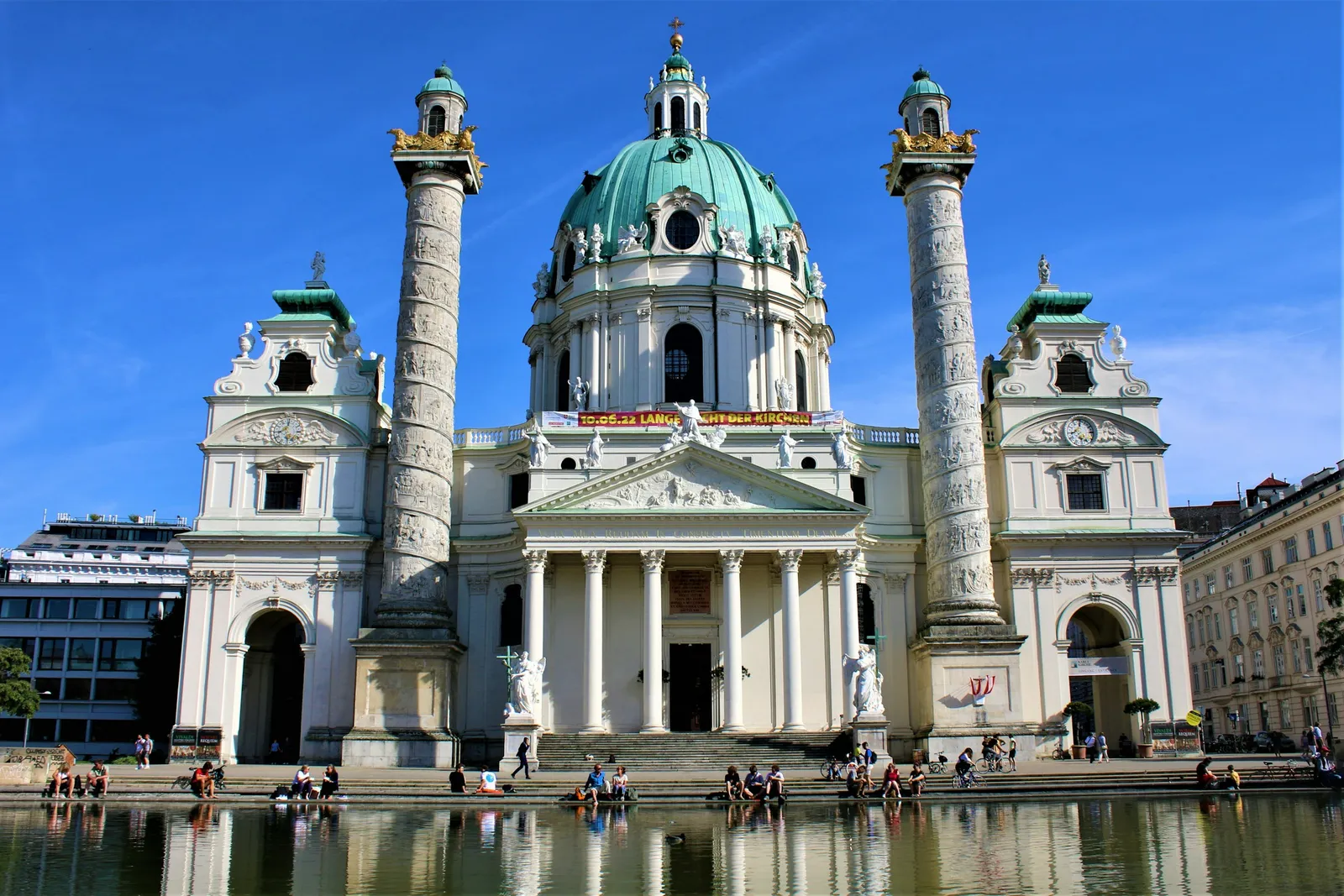
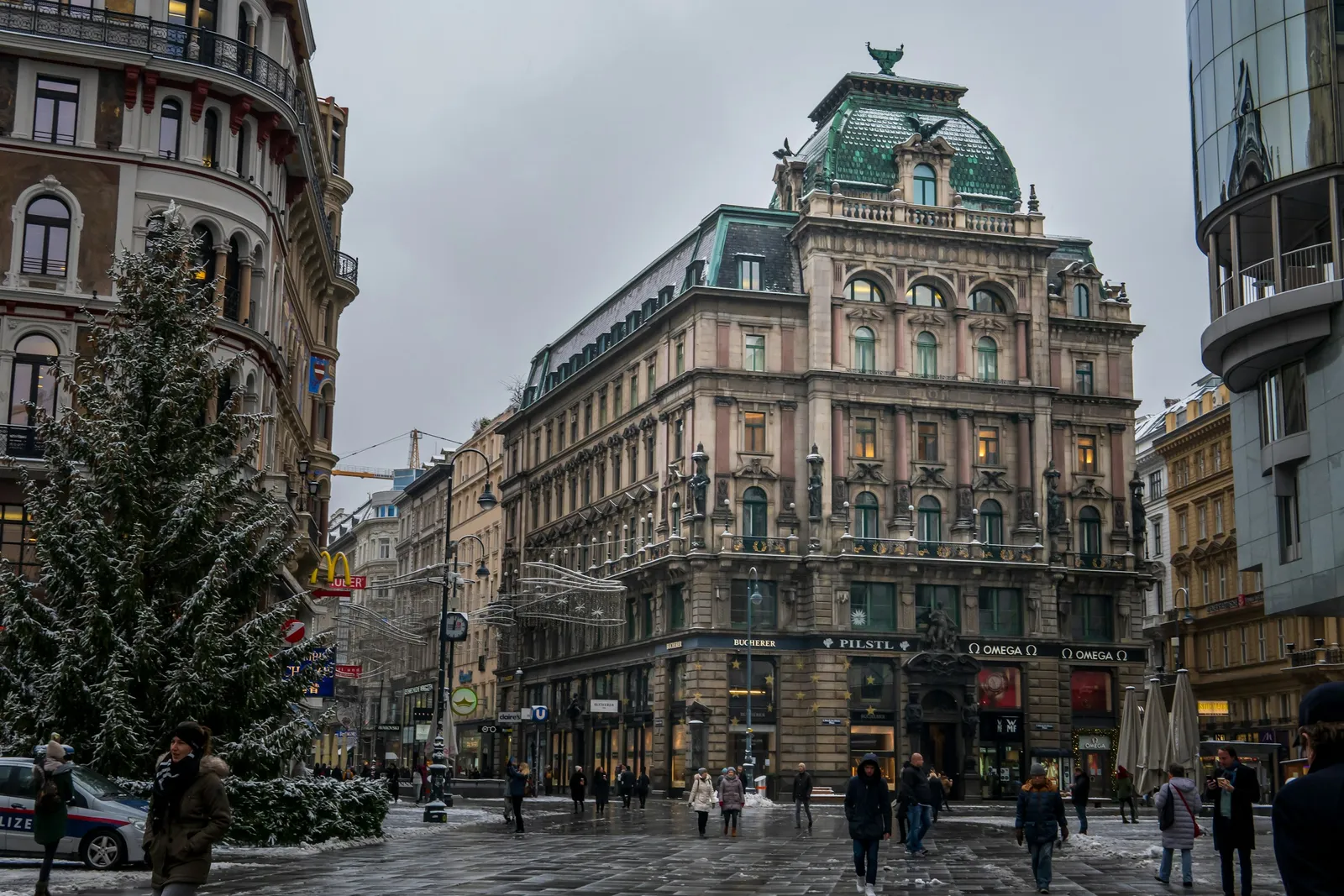
Vienna does not flaunt its wealth. The city’s most expensive flats are hidden behind façades that look just like the ones next to them — in palaces in the Innere Stadt, in villas in Hietzing and Döbling, and in top-floor flats that cannot be seen from the street. There are no glass skyscrapers with names here, no addresses that people mention to make an impression. In Vienna, luxury is a matter of discretion, and that is what sets this city apart from almost every other European capital.
We have been acting as estate agents in this sector since 2008. This article explains what this entails — for owners considering a sale and for buyers who want to know what to look out for.
Where luxury resides in Vienna
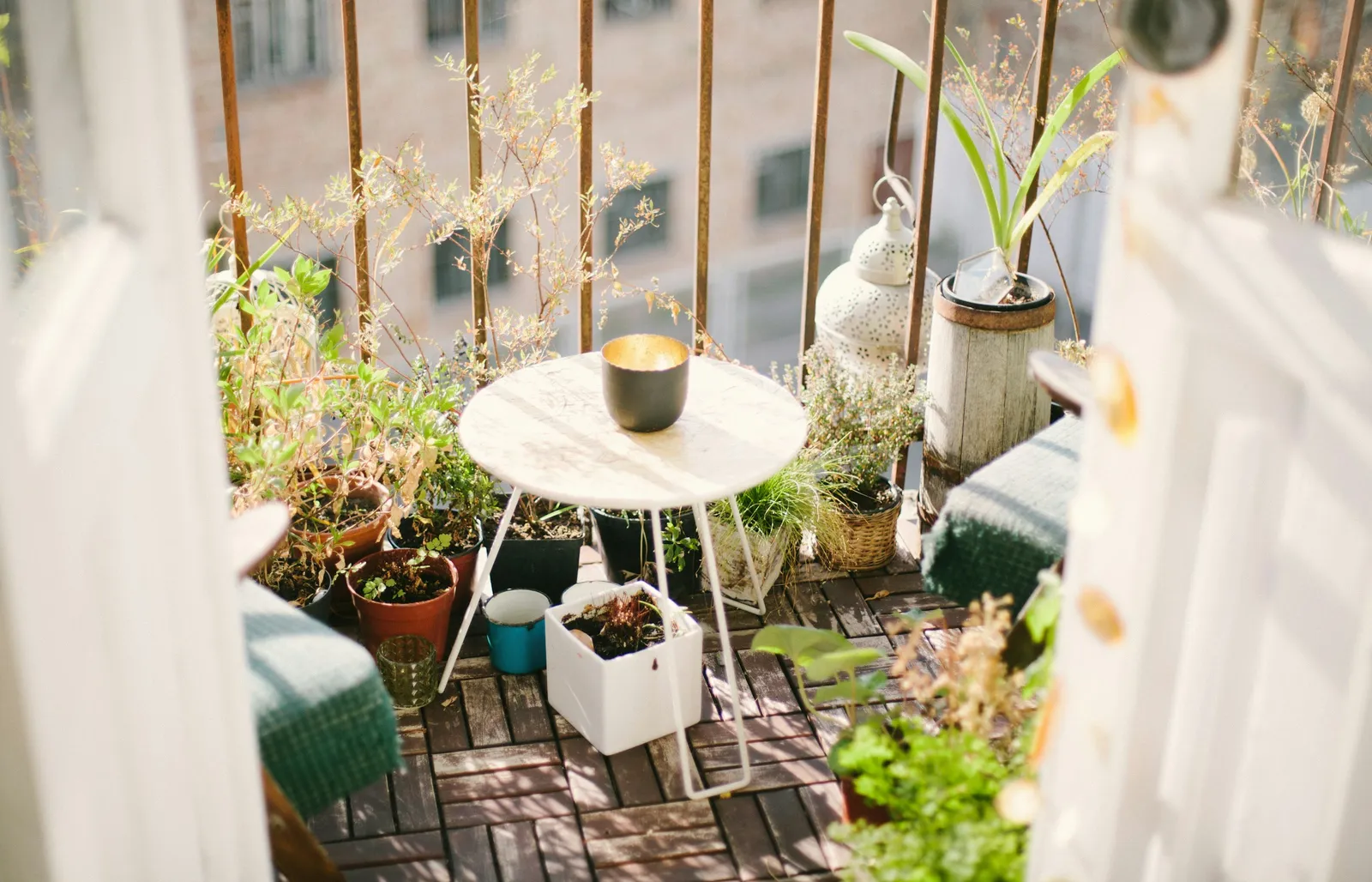
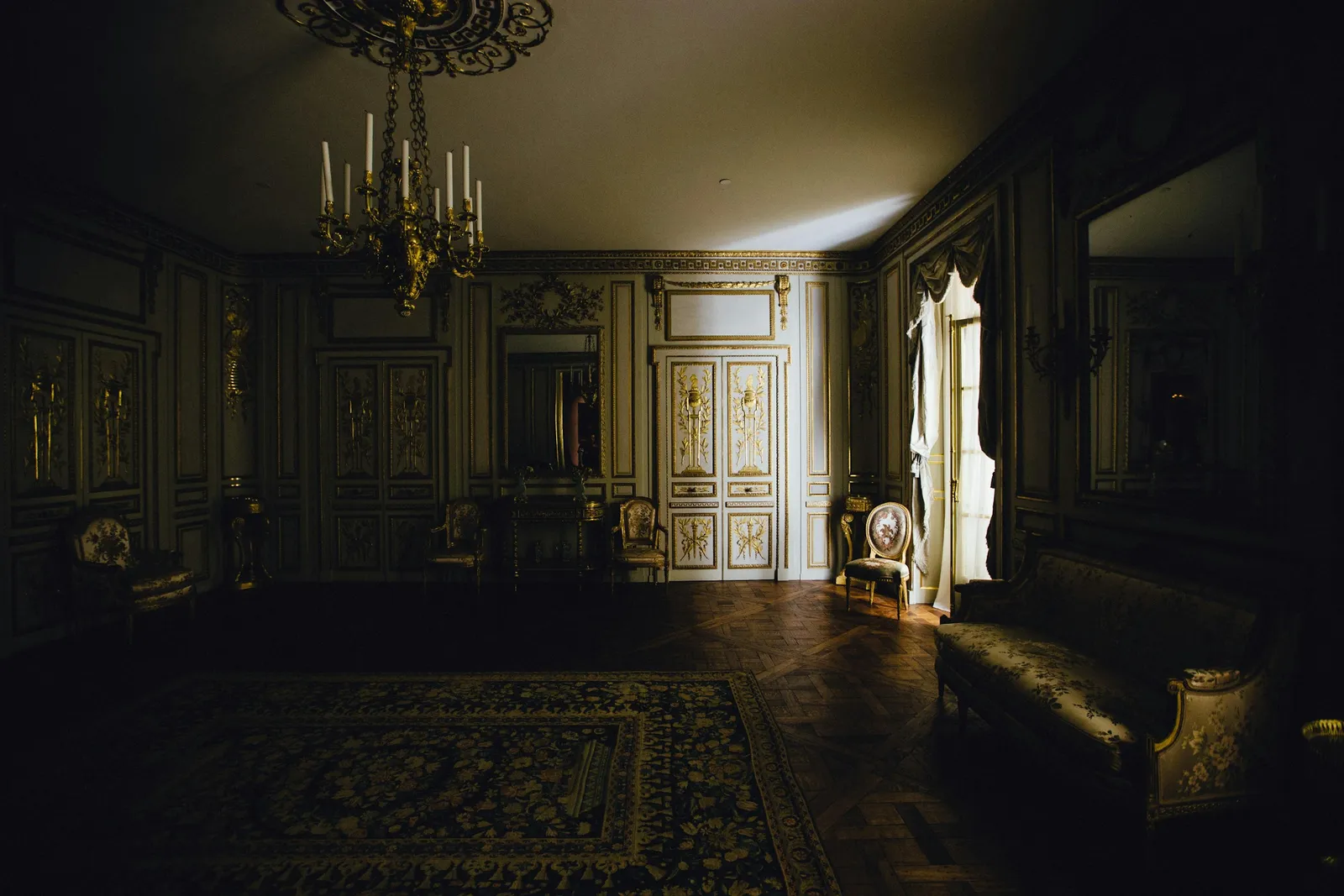
In the city centre, it is the palaces and houses from the Ringstrasse era: bel étages with five-metre-high ceilings, stucco ceilings, enfilades, and views of St Stephen’s Cathedral or the Burggarten. In Hietzing and Döbling, it’s the villas with gardens, often dating from the Gründerzeit or the 1920s, some designed by well-known architects. And all across the city, it’s the top-floor flats — terraces that nobody sees, with a view that nobody forgets.
Added to this are the few new-build properties that can succeed in this segment: developments featuring a concierge service, underground car parks, wellness facilities and floor plans that are not available in older buildings. They are rare because suitable plots of land are scarce, and they are aimed at an international clientele who value Vienna as a safe, peaceful and cultured city.
What makes the difference
Location, condition, fixtures and fittings — these criteria are well known. What sets a premium property apart, however, is the interplay of these elements: the proportions of the rooms, the light at different times of day, the tranquillity of the courtyard, the unobstructed view. Craftsmanship that you cannot see, but can feel — doors that close properly, floors that are sturdy, windows that provide insulation whilst still retaining their original character.
And the history of a house that cannot be replicated. Anyone who buys a bel étage in a palais is also buying the 150 years during which others have lived there. That is not an argument that can be expressed in terms of price per square metre. But it is the reason why these properties are treated as if they were works of art.
What buyers expect
Discretion comes first. Buyers in this sector do not want to be found on property portals, do not want to be on viewing lists, and do not want to know who else is interested. They expect an estate agent who knows the property inside out before showing it, who can answer questions without having to look things up, and who keeps quiet once the deal is done.
Then there is security: legal, structural and personal. A clear title in the land register, resolved issues regarding listed building status, and a property that holds no surprises. And finally, intrinsic value. By international standards, premium properties in Vienna are moderately priced, but the buyers are no novices — they know what a palais in Paris or London costs, and they expect quality for their money, not glitz.
How the segment works
In the premium segment, there are no listings with thirty viewings. Buyers and sellers often know each other indirectly — through solicitors, wealth managers, families or estate agents —; the transaction is based on trust, and the price is agreed through discussion, not through a bidding process. There are hardly any comparable properties, as every property is different; valuation is a matter of experience.
Anyone selling here isn’t looking for attention — they want the right buyer. And the right buyer isn’t always the one who pays the most, but the one who understands the business and will carry it on as it has been run. That may sound sentimental, but in practice it is the reason why some sales go through and others don’t.
What sales staff should know
Time. A premium property doesn’t sell in three weeks, because the pool of potential buyers is small and because those buyers are under no pressure. Anyone looking to sell should allow for months, not weeks — and choose an estate agent who won’t get nervous during that time.
Presentation. The property must be shown as it is: with its history, its details, its light. No overly staged photographs, no superlatives in the text. Buyers in this segment recognise genuine quality, and they are wary of anything that is too over-the-top.
We have been brokering properties that are not publicly advertised since 2008. If you own or are looking for a special property, please do get in touch with us — discreetly, as is only right.