The property market in 2026: Five trends shaping the Viennese market
A shortage of new-build properties, stable interest rates, pressure to renovate and a market that is picking up momentum again. Our outlook for the year.

The year begins with a market that has found its footing: prices are stable, interest rates are predictable, and demand has returned. Following the turbulent years since 2022 — first an interest rate shock, then a standstill, followed by a cautious recovery — 2026 is the first year in which buyers and sellers are once again on an equal footing.
In our view, five factors will determine how this year unfolds in Vienna. None of them is new. But taken together, all five result in a market that operates differently from that of 2021.
1. New-build properties remain in short supply
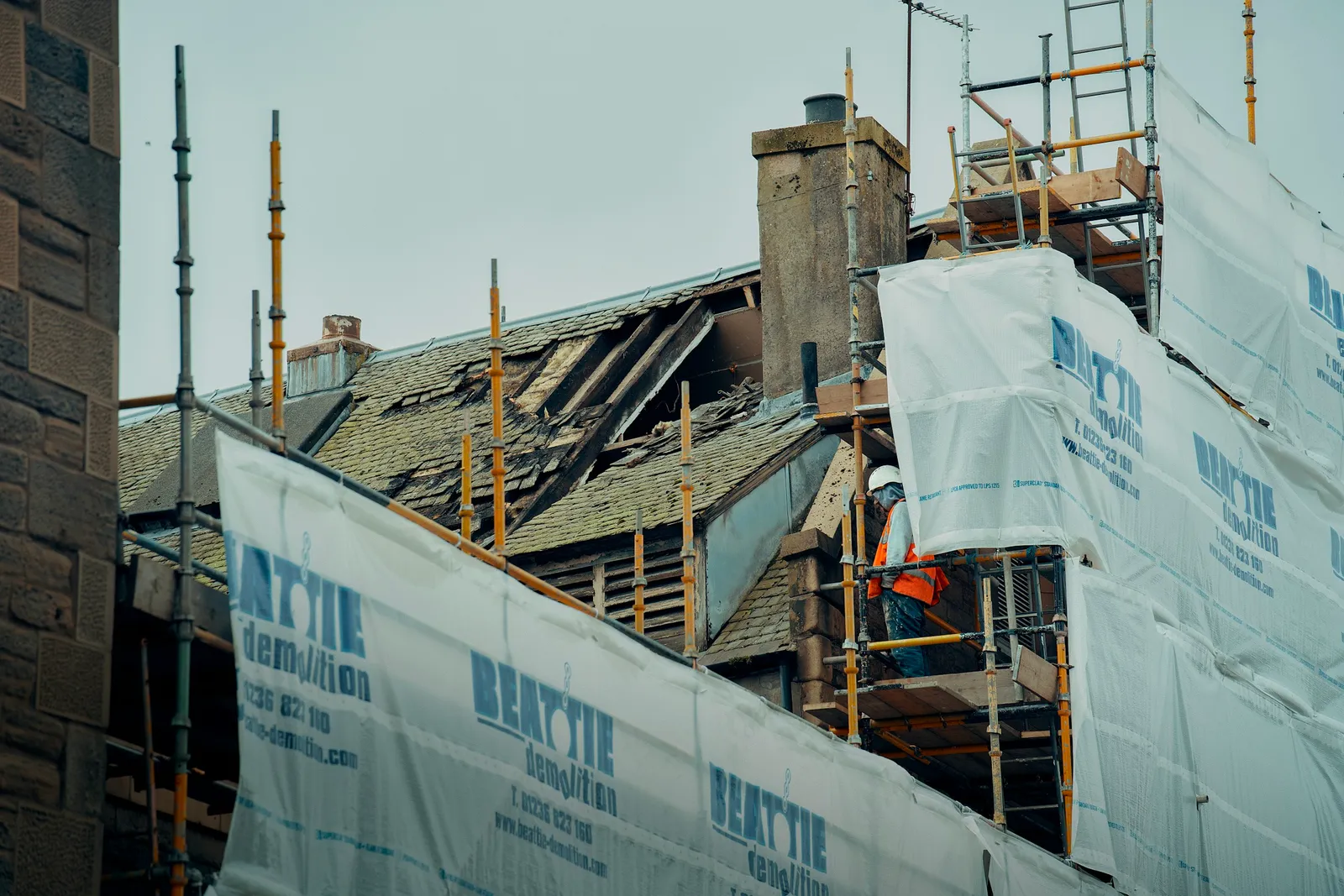
The number of planning permissions granted in 2023 and 2024 was at its lowest level for a long time. High interest rates, expensive construction costs and strict financing rules have led to projects being postponed or halted altogether. What was not started back then is now missing as a finished flat — and will still be missing in 2027, because building takes years.
In the inner districts, hardly any new properties come onto the market anyway. Whatever is being built is taking place within existing buildings, in converted office blocks or on the few plots of land that are still available. Existing properties are becoming more valuable, not because they are improving, but because they face no competition.
2. Renovation becomes a selling point
Energy performance certificate, boiler replacement, façade, windows: these days, buyers ask first about the property’s condition and only then about the finishing touches. A house that has already been renovated sells quicker and for a better price — one that still needs work becomes a matter for negotiation, because the buyer factors in the costs for the next ten years.
For property owners, this means that anyone wishing to sell should know their property’s energy efficiency rating — and whether it is worth carrying out renovation work before the sale. Sometimes the answer is yes, but often it is no. However, an up-to-date energy performance certificate and an honest assessment of the property’s condition are always better than keeping quiet, which buyers interpret as a warning sign.
3. Interest is predictable
Financing costs have stabilised at a level that makes planning possible — significantly higher than during the years of zero interest rates, but significantly lower than the peak reached in 2023. That is the key difference compared with recent years: it is not the level, but the stability. Buyers can work out the figures, banks can grant loans, and sellers know what their prospective buyers can afford.
With the expiry of the KIM Regulation last summer, the pool of eligible buyers has also grown. Younger households in particular, who had been unable to meet the requirements for three years, are returning to the market.
4. The town continues to grow
Vienna has surpassed the two-million mark and continues to grow, mainly due to an influx of new residents. This is creating demand for flats that are not being built — see point one. Rents in the private sector are rising, and tenants are considering buying sooner than they did a few years ago.
This is good news for owners in established neighbourhoods, and a reminder to buyers not to wait for a fall in prices that isn’t going to happen. The right strategy is the right location — not the right timing.
5. Discretion is on the rise
A growing proportion of sales are taking place outside the online portals: through networks, search profiles and estate agents who know buyers and sellers before a property is publicly listed. This has long since ceased to apply only to villas and mansions, but also to apartment blocks, investment flats and flats in older buildings in sought-after locations.
Anyone planning to sell in 2026 should understand the market and know which approach suits their property best. Anyone looking to buy should be able to make a quick decision — and be registered with the platforms where properties are listed first. We can help with both. And we can also help you determine which of the five points apply to your specific situation.