The Viennese tenement block: historic splendour through the ages
Old buildings are one of the most popular types of housing in Austria — in Vienna alone, 64 per cent of houses date from the Gründerzeit period. And yet this figure is falling steadily. Why is that?

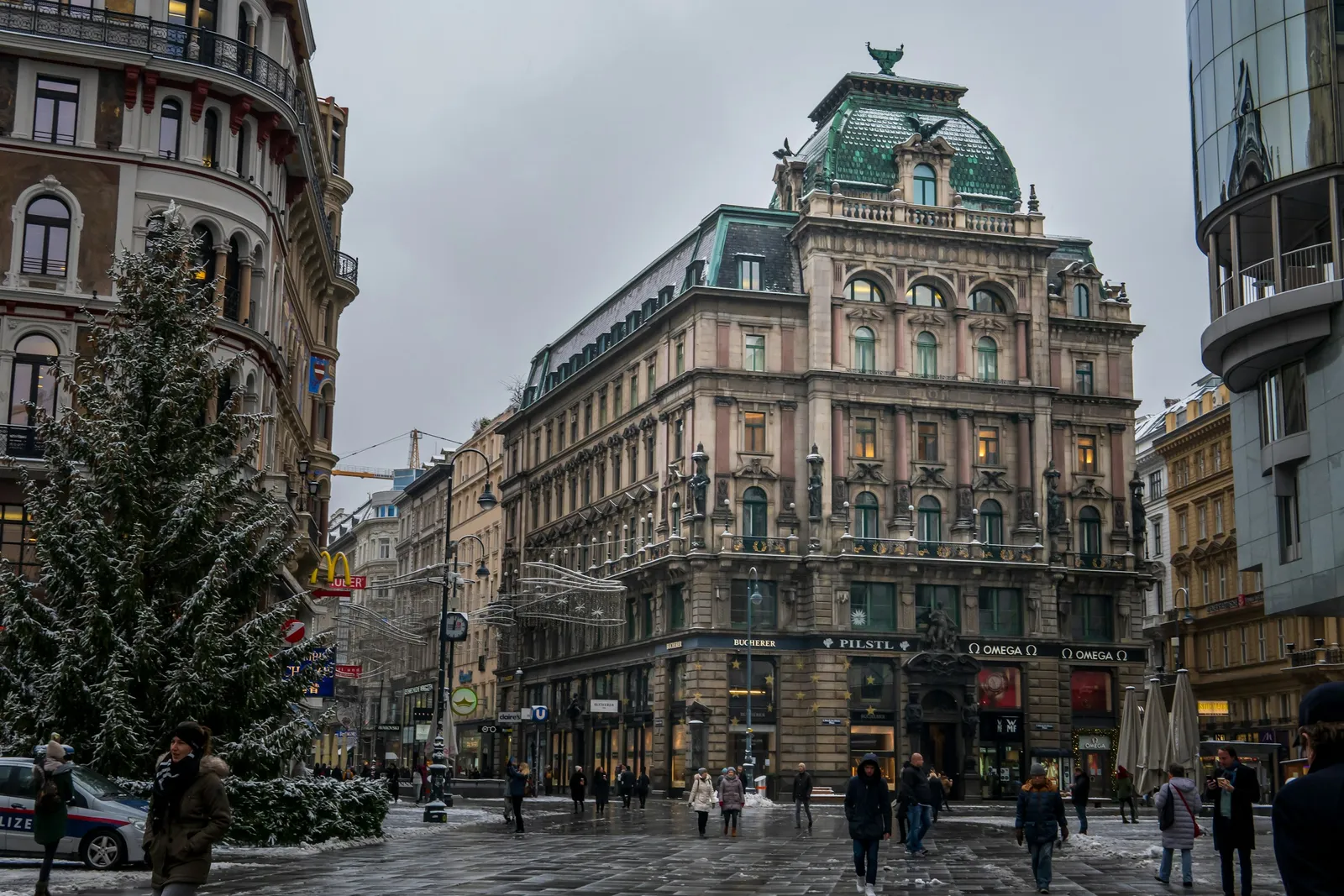
Hardly any other architectural style shapes Vienna’s cityscape as much as the Gründerzeit tenement block. Built between 1848 and 1918, these buildings combine generous ceiling heights, articulated façades and a structural integrity that remains unrivalled to this day. Anyone walking through the inner districts is walking through an open-air museum of historicism — with the difference that people actually live, work and go about their daily lives there.
A shrinking stock
Around 64 per cent of Vienna’s existing housing stock dates from this period — a figure that is unique in Europe. Nevertheless, the number of traditional tenement blocks is declining year on year: demolition, densification and conversion to owner-occupied flats are noticeably altering the housing stock. A building that is divided into separate flats and sold off flat by flat may remain standing, but it has effectively disappeared from the market as a whole.
The city has responded to this: the demolition of buildings dating from before 1945 is subject to authorisation and is, in practice, prohibited in conservation areas. This protects the cityscape — and makes the remaining buildings even rarer overall.
The conflict of interests amongst the owners
For property owners, this creates a tension between heritage protection, tenancy law and economic realities. Renovation obligations, energy efficiency requirements and the regulated benchmark rent present many with challenges — and make sound advice more valuable than ever. Anyone who has inherited a let-out property is often faced with questions that cannot be answered on gut instinct alone: should they renovate, develop, hold onto the property or sell it?
Added to this is the tenant mix. Old tenancy agreements with low rents provide security for the residents, but limit the return; every new tenancy alters the financial picture. A property is therefore never just an address, but a complex web of contracts, rights and obligations.
Why it’s still worth it
At the same time, the apartment block remains one of the most stable forms of investment in the country. Those who renovate carefully, preserve the building’s established character and integrate modern building services combine historic charm with contemporary living — and safeguard the property’s value for generations to come. High ceilings, thick walls and established locations cannot be replicated; this is precisely what tenants and buyers value, and this is precisely what underpins the property’s value.
The loft is often the hidden asset here: converting it creates flats that did not previously exist in the building, and frequently helps to finance the refurbishment of the existing property as well.
What an investment property is worth today
The value of an investment property is determined by three factors: yield, physical condition and location. The yield-based value is calculated by capitalising the actual rental income; the physical condition takes into account the costs of the roof, façade, pipework and stairwell over the coming years; the location determines what is possible when re-letting or selling the property. Family offices, trusts and private investors weigh up these three factors differently — which is why the same property may be too expensive for one party and a stroke of luck for another.
Renovation with a sense of proportion
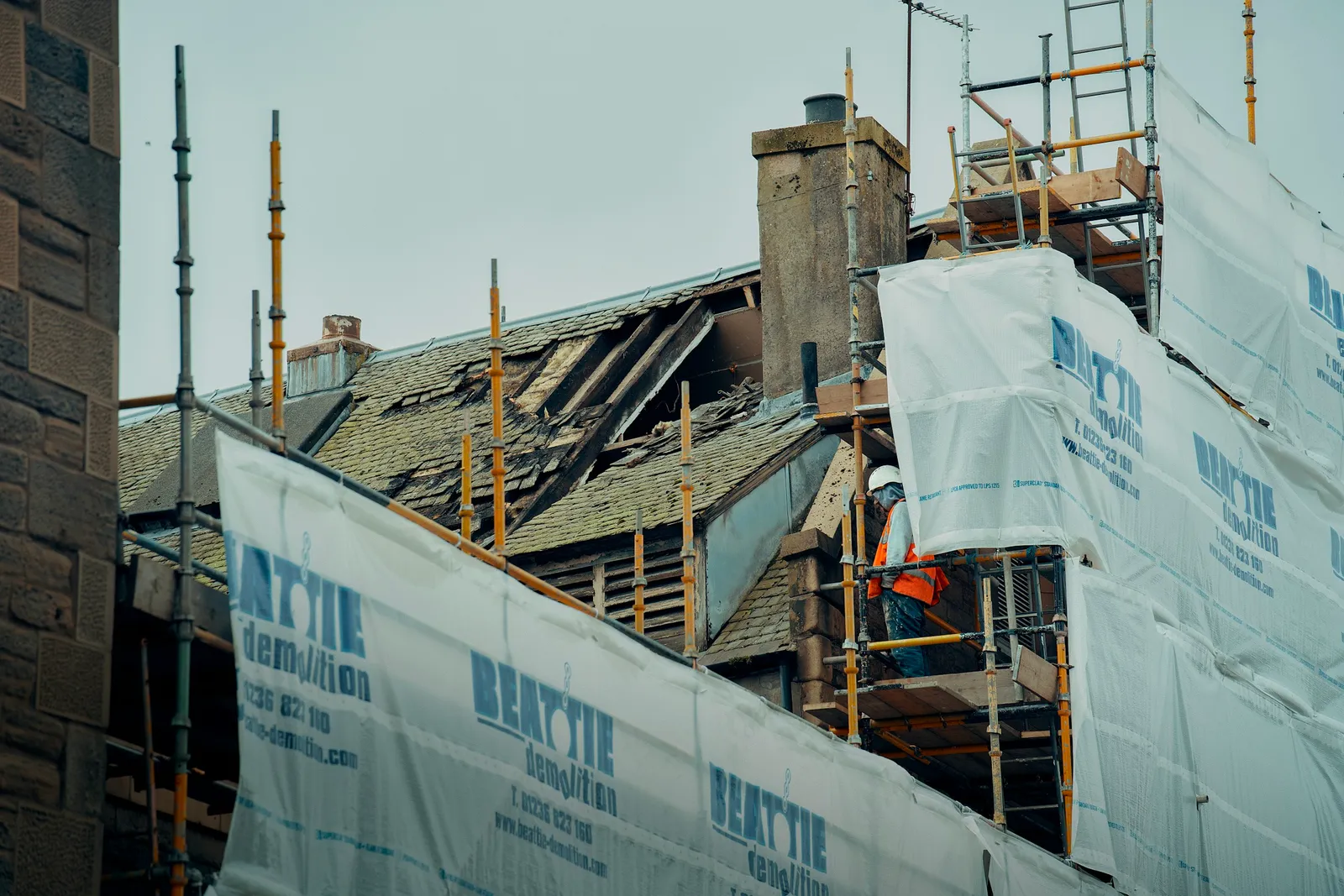
Not every renovation increases the value. If you chip away the stucco and replace casement windows with plastic ones, you’ll save money in the short term but lose out in the long run, because it is precisely these details that give an old building its character. It makes sense to carry out work that preserves the building’s structure and improves its functionality: the roof and insulation of the top floor, windows with period profiles, risers, the heating system and the lift. Subsidies from the city cover part of the cost — if you know about them, you can renovate more affordably.
How we support you
At AKKADIA, we support property owners and investors throughout the entire process: from valuation and positioning through to discreet brokerage. We often know which properties are coming onto the market before they actually do — and we’re frank about what a property needs and what it’s worth. Because behind every let-out property lies a story that’s worth preserving.