Old or new build? A guide to help you decide
Stucco and ceiling height, or underfloor heating and an underground car park: both approaches have their merits. What really matters when making a decision.
The question comes up in almost every consultation: an older property or a new-build? The honest answer is: it depends — on the sort of life you want to lead, and on the budget you set for it. Both options have their own logic, and both involve costs that you only realise when you look closely.
This article is not intended to take sides. It is designed to help you make a decision: it covers the arguments, the cost issue, tenancy law and, finally, five questions you should ask yourself before falling in love.
The case for older properties
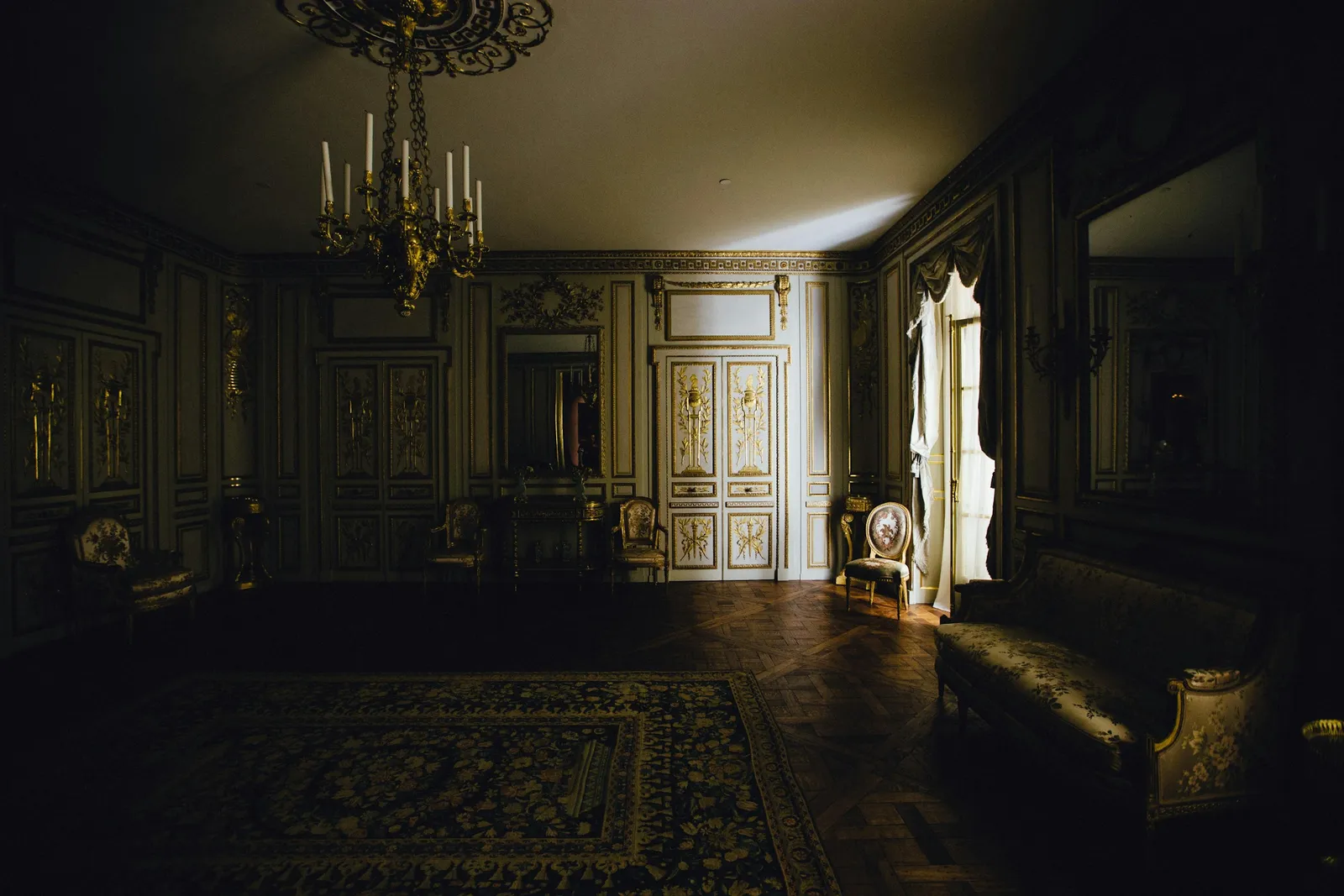
Ceiling heights of over three metres, double doors, parquet flooring, stucco, box windows — Vienna’s old buildings have a sense of spaciousness that would be almost impossible to replicate in new builds. The floor plans are often more flexible than they appear, the walls are thick, and the buildings are quiet. And these older buildings have character: no two are alike, and every flat tells a story.
Added to this are established neighbourhoods. The old building stands in an area where the city is already fully developed, with a café, market and underground station on the doorstep, and trees that are older than the house next door. And for rented flats in buildings dating from before 1945, the rent is capped by law — a factor that matters to tenants and which investors need to be aware of.
Arguments in favour of the new building
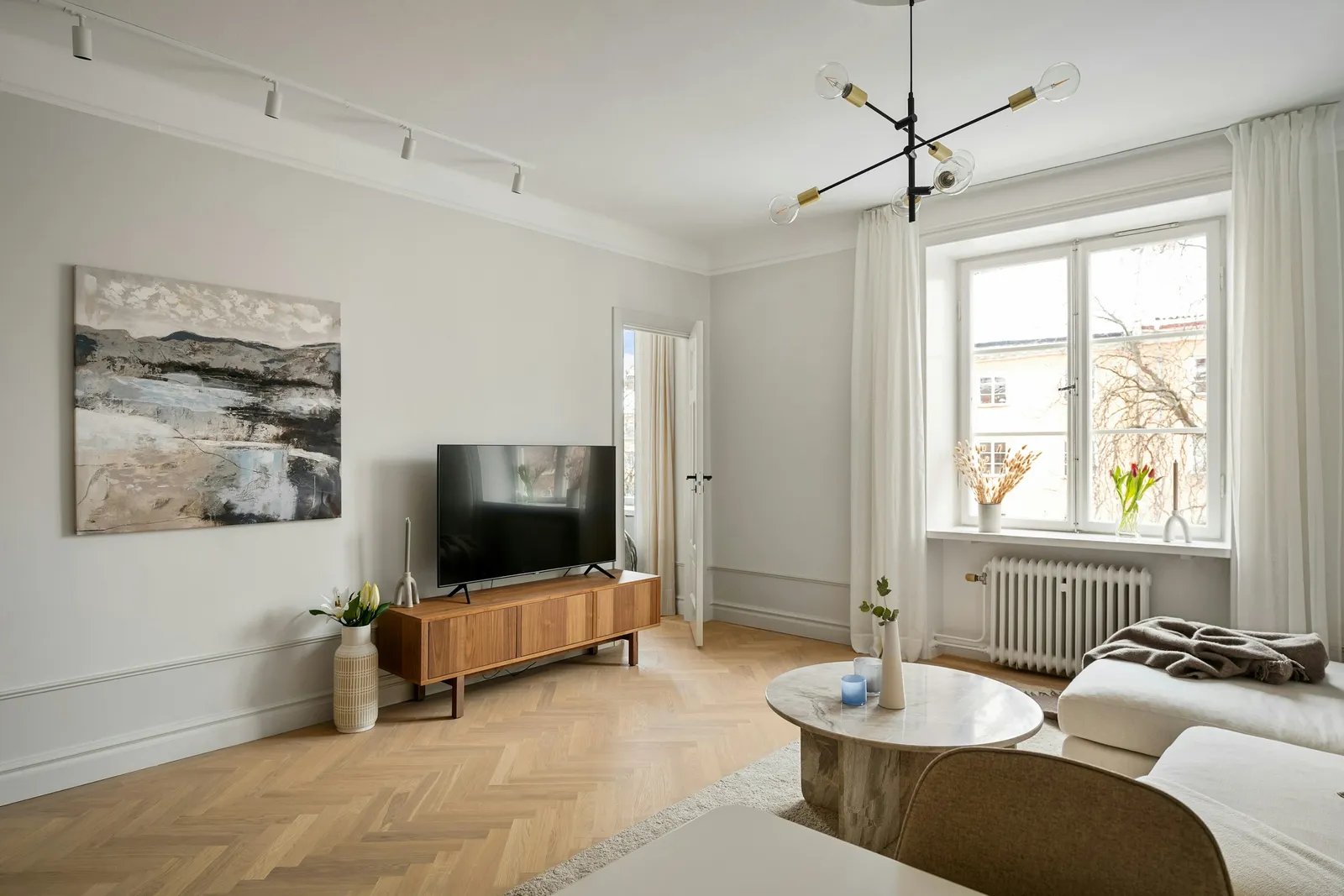
Energy efficiency, accessibility, a lift, open spaces: this new-build is practical. Running costs are lower, the building services are new, and the floor plans are tailored to modern living — open-plan kitchens, bathrooms with windows, and storage rooms that are worthy of the name. If you’re looking for a terrace, you’ll find one more easily in a new-build, and if you have a car, you’ll find a garage space.
And new-build properties come with a guarantee: anything that breaks in the first few years is the developer’s responsibility. It’s different in older buildings, where every flat has its own surprises in store — the pipework hidden behind the stucco, the window that no longer closes, the floor that moves beneath the parquet.
The question of costs
In terms of purchase price, older properties are often cheaper than new-builds, depending on their location and condition — though not always, and when refurbished and in good locations, they can be significantly more expensive. When it comes to running costs, the picture is reversed: new-builds are cheaper to heat, the maintenance fund is still low, and running costs are predictable. An older property requires financial reserves — both for the renovation of your own flat and for that of the building as a whole, in which every owner has a pro rata share.
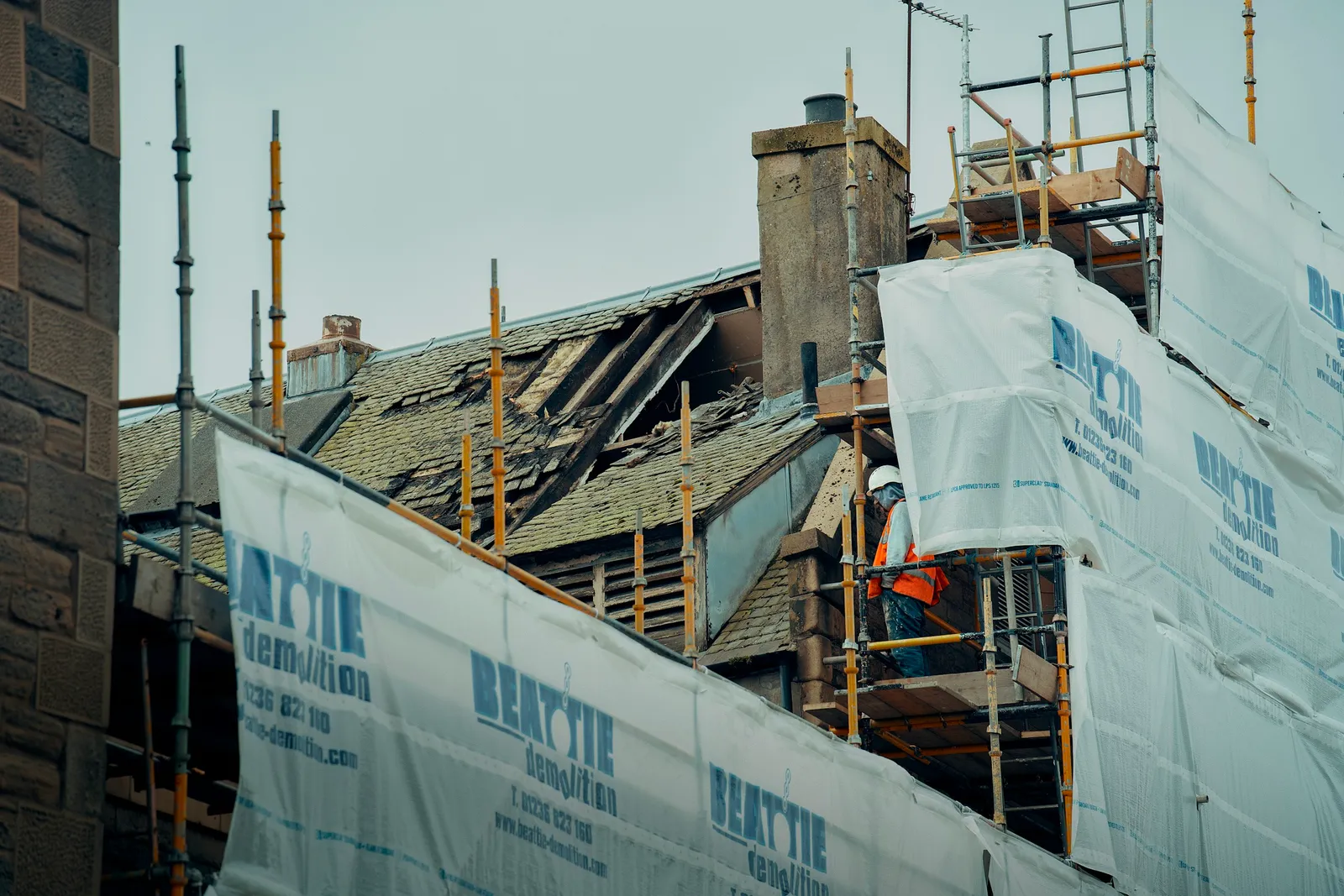
Anyone buying an older property should therefore check the condition of the building itself just as carefully as the flat itself: the roof, façade, service pipes, lift, maintenance fund and minutes of owners’ meetings. A façade refurbishment can cost a five-figure sum per flat — and it’s bound to happen sooner or later.
The issue of tenancy law
For investors, tenancy law is the key differentiating factor. In older properties built before 1945, the Tenancy Law Act applies in full: capped rents, a list of permissible surcharges, and rules governing fixed-term tenancies and property maintenance. This limits the return, but makes it predictable. In new-build properties, the rent is freely negotiable — offering higher returns, but also carrying greater market risk and a tenant who compares every offer.
For owner-occupiers, this isn’t an issue. But for anyone who might want to let out their property at some point — because life changes — it makes a big difference.
Five questions to ask yourself before you fall in love
How many years do you intend to live here? Someone planning to sell in five years’ time will buy differently from someone buying to stay for thirty years. How important are open spaces, a lift and a parking space to you? If you need these things, you’re more likely to find them in a new-build. How much of a financial buffer do you have for the unexpected? Older properties require one. How much does the character of a house matter to you? An honest answer to this question often decides everything. And: where do you want to live — in a neighbourhood that’s already established, or one that’s just taking shape?
Our experience is that people who love old buildings won’t be happy in new ones — and vice versa. That’s why we ask about your lifestyle first, not your budget. The right flat then usually presents itself, and the cost follows the decision, not the other way round.