The Future of Wood
Wood provides structural support, insulates, is a renewable resource and ages beautifully. Why the world’s oldest building material is becoming the material of the moment — and what that means for the city.
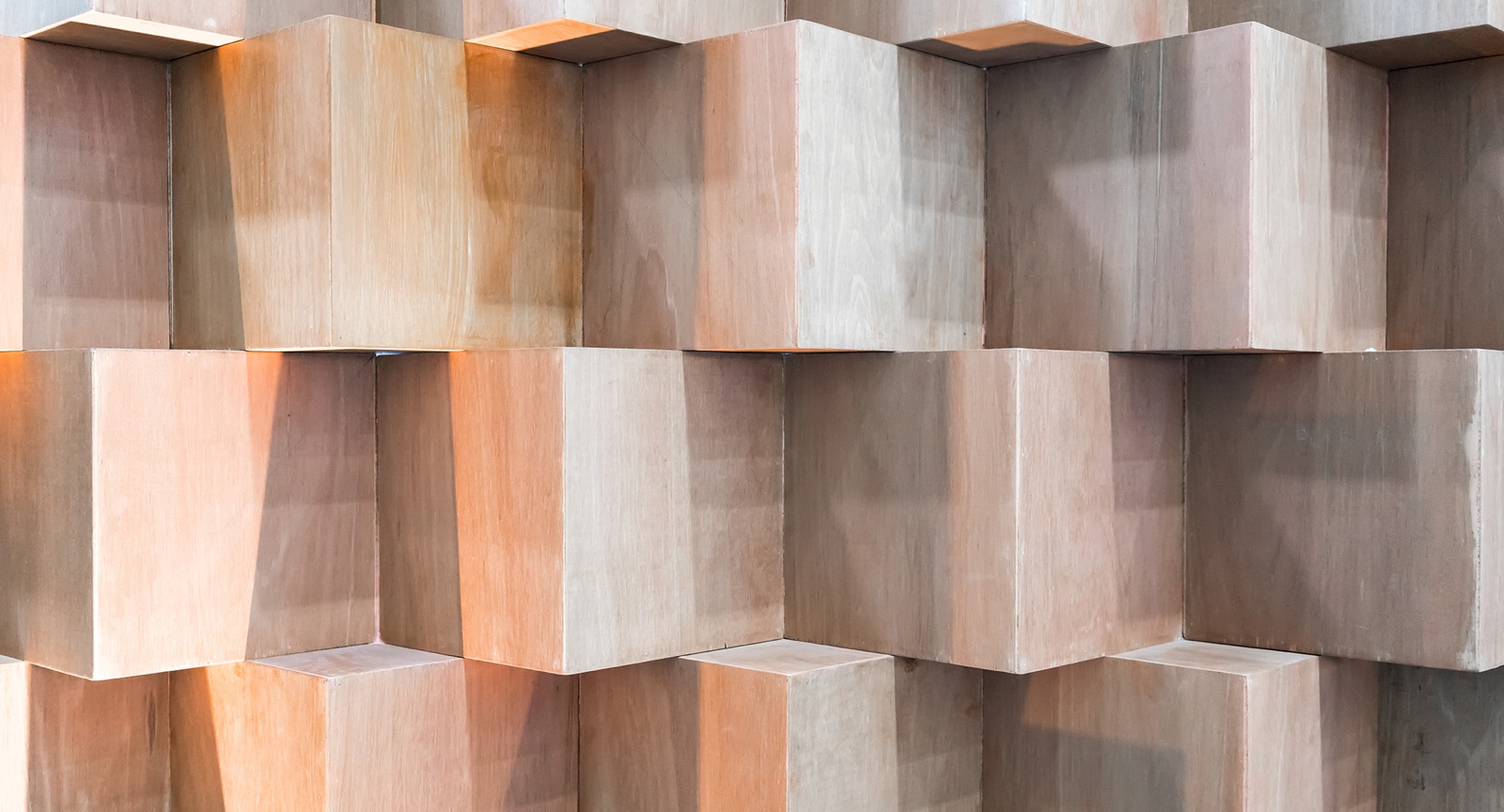
The main advantage of timber as a building material is its load-bearing capacity. Timber is a very stable and resilient material that can also be used in large structures such as high-rise buildings. Furthermore, timber is a renewable resource which, unlike concrete or steel, requires less energy to produce and is therefore considered more sustainable. It is also regarded as a healthy building material because it is breathable and regulates humidity.
The challenges
Technical challenges associated with building with timber – such as specific fire safety regulations and the material’s natural ageing processes – must be taken into account to ensure the longevity of buildings. It is precisely for this reason that timber is being used more and more frequently for façades and external cladding: The authentic, naturally ageing appearance resulting from weathering is now often deliberately utilised to achieve an aesthetic effect. Despite these challenges, timber is regarded as the building material of the moment because it meets the needs for sustainability, health and emotional appeal.
Politicians are following suit
Through its funding priority ‘Timber-frame buildings’, the Federal Ministry of Agriculture, Forestry, Regions and Water Management is also promoting the increased use of timber as a raw material under the Forest Fund. Vienna itself has demonstrated, through projects such as the HoHo in Seestadt, that high-rise timber construction works in the city.
Thermowood: a trend in timber construction
One trend in timber construction is the use of thermally modified timber — timber that is modified and stabilised using only heat and steam. The heat treatment results in a high level of rot resistance, making the timber suitable for use in outdoor and damp environments without being quickly damaged by fungal attack. Its water absorption is reduced, meaning it swells, cracks and shrinks less; as a result, thermally modified timber is also suitable for use in a variety of climatic conditions.
No chemicals are used in its production. It is therefore a sustainable choice for a natural look. Thermowood also excels in terms of thermal insulation and energy efficiency, which is an important factor in times of rising energy prices.
Ecology and the cycle of life
Wood is a renewable raw material and, unlike concrete and steel, produces significantly fewer CO₂ emissions — what’s more, wood used in construction stores carbon for as long as the building stands. When it comes to waste disposal, wood is a more environmentally friendly material than concrete and steel, as it is lighter and easier to recycle.
Wood in the city
Wood is increasingly being used as a building material in urban environments. Andrew Waugh, founding partner of the London-based architectural practice Waugh Thistleton Architects, who has been working with prefabricated CLT panels for over 20 years, sees major advantages in building with timber-based materials when it comes to minimising the disruption caused by building sites in urban environments: “CLT building sites are clean, quiet and dry, without the constant presence of construction waste, cement mixers, jackhammers or lorries on site.”
As well as the environmental benefits, the aesthetic impact also plays an important role. Unlike concrete and steel, timber gives buildings a softer, more natural appearance, which is often perceived as more pleasing. The use of timber can also create stronger connections with nature, even within the urban landscape; wooden buildings break up the urban landscape and breathe new life into the architecture. It is therefore not surprising that more and more architects and town planners are using timber in their projects — not only for residential buildings, but also for large, complex and innovative structures. There are now many impressive examples of this around the world.
The verdict: Age of Timber
We are in the ‘Age of Timber’, as Oona Horx-Strathern puts it in the Home Report 2022: Technologies for timber construction are improving, and new laws, regulations and subsidies for high-rise timber buildings are ensuring that the urban landscape is slowly changing — towards the greater use of timber. The launch of prestigious competitions for tall timber buildings is raising the profile of innovative solutions, from modular construction to new materials, and further reinforcing this trend. For buyers, this means that anyone choosing a timber construction project today is choosing a material with a future.