District tour: The 3rd District — Landstraße
Situated between Belvedere, Rochusmarkt and the Embassy District: Landstraße combines grandeur with everyday life — and is one of Vienna’s most diverse residential areas.
The Third District begins just beyond the City Park and stretches as far as the Danube Canal and the Arsenal. Hardly any other district combines such diverse features: Baroque gardens, Gründerzeit neighbourhoods, embassies, old industrial sites that have been transformed into cultural venues, and a railway station that connects the city to the airport in sixteen minutes.
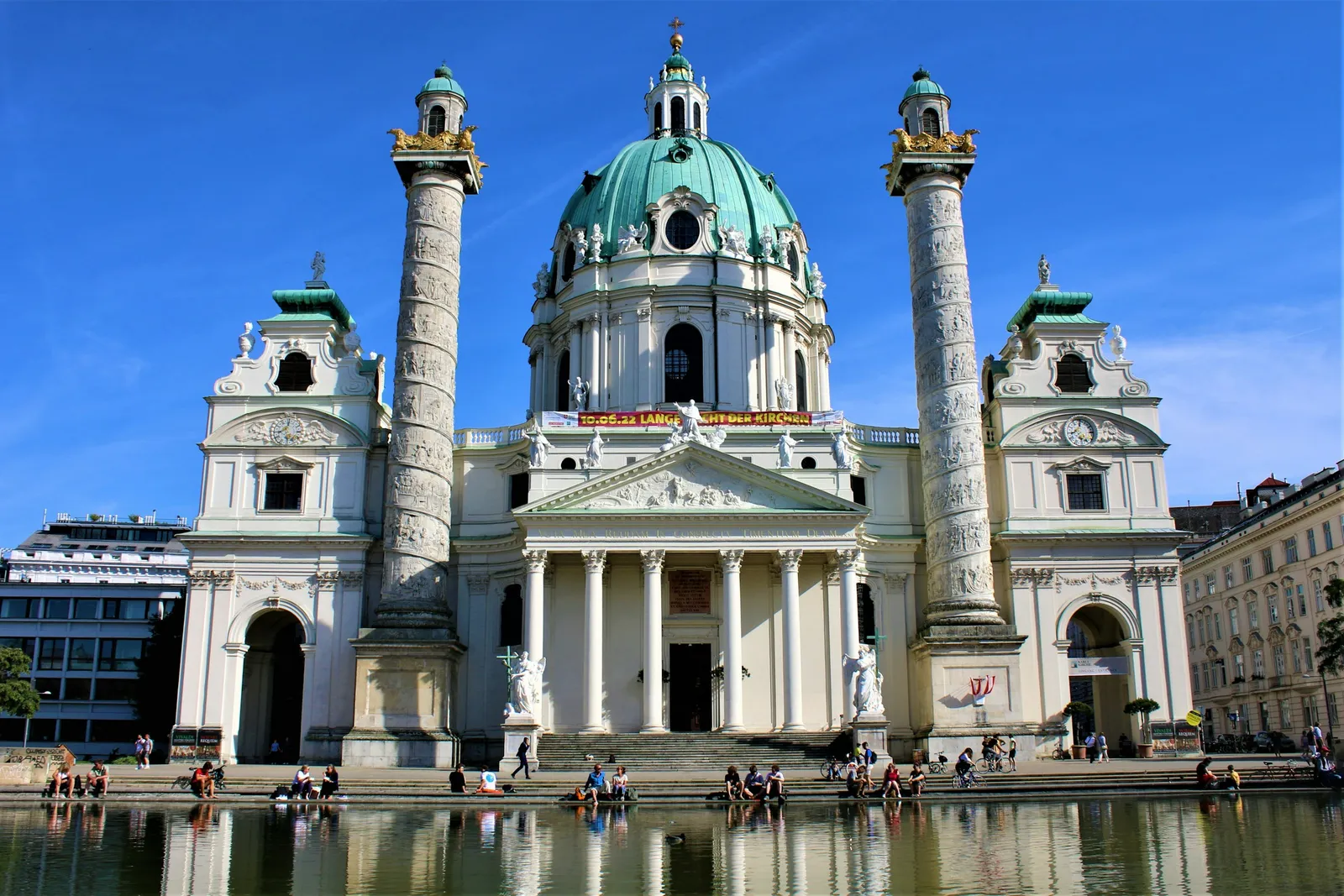
If you want to get to know Landstraße, you should walk along it — from Schwarzenbergplatz along Rennweg down to Sankt Marx. Along this route, the district reveals its entire history.
From Rennweg to the Belvedere
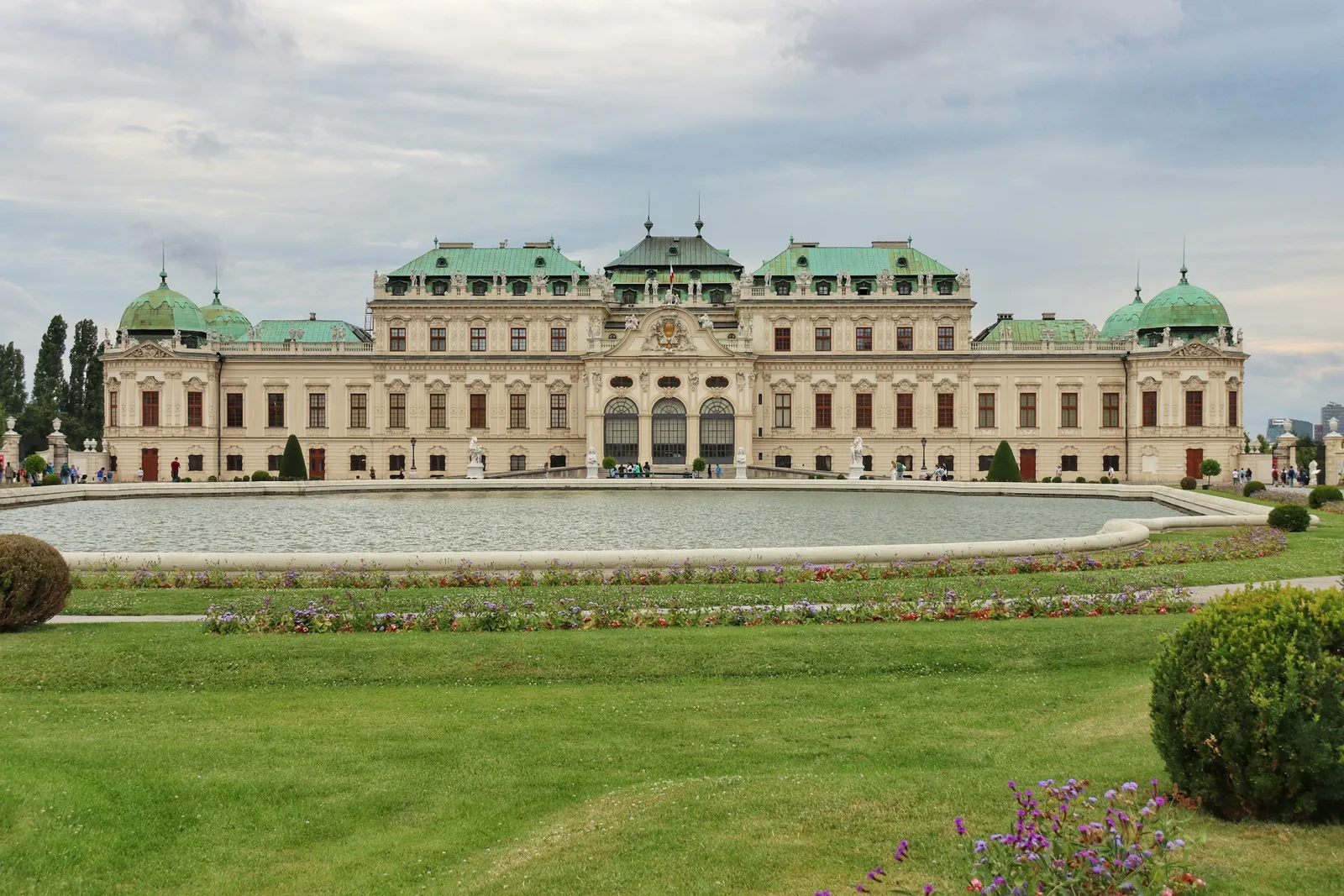
Rennweg is the old arterial road leading towards Hungary, and it is lined with the district’s most prestigious addresses: the Schwarzenberg Palace, the Salesian Sisters’ garden palaces, and the Russian Orthodox Cathedral with its domes. And, of course, the Belvedere — two palaces with a garden between them, built for Prince Eugene, and now one of the country’s most visited museums.
For local residents, the Belvedere is a park that looks different in every season: in spring, the blossoms; in summer, evening strolls; in winter, the view over the city from the Upper Belvedere. Anyone living in the streets around Rennweg has this garden on their doorstep — and the Innere Stadt just ten minutes away.
The Embassy District
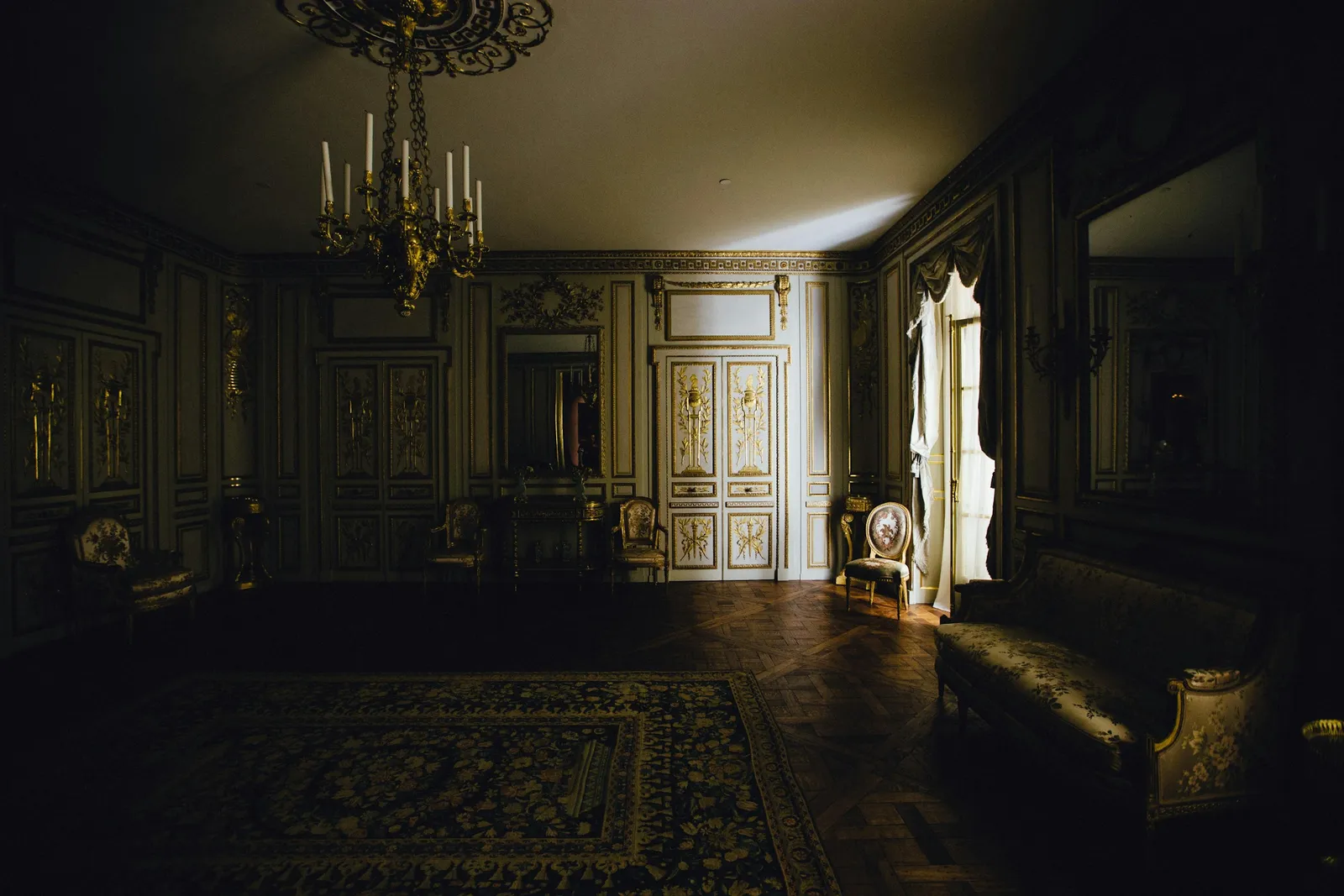
Between Rennweg and Landstraßer Hauptstraße lies a neighbourhood that hardly any Viennese person is aware of: the embassy district around Metternichgasse, Jaurèsgasse and Reisnerstraße. Quiet streets, well-maintained palaces and villas, an international neighbourhood, a high level of safety and little traffic. Diplomats live here alongside long-established Viennese families, and both appreciate the same thing: that nothing stands out.
As far as the property market is concerned, this neighbourhood is in a league of its own. Flats rarely come onto the market and are often let discreetly; demand from international tenants is constant, and prices are among the most stable in the city. Anyone who buys here isn’t buying for just five years.
Market, coffee house, everyday life
Landstraßer Hauptstraße is the lifeblood of the district, and the Rochusmarkt is its heart: fruit, cheese, fish, an espresso on the go, and the farmers’ market on Saturdays. Surrounding it is a Wilhelminian-era neighbourhood with well-preserved streets, good schools and a concentration of coffee houses that is remarkable even by Viennese standards.
A few steps further on, the Fasanviertel begins, with its little pubs and workshops, and at the Hundertwasser House, tourists mingle with locals who are simply there to collect their laundry. The nearby Kunst Haus Wien, also designed by Hundertwasser, illustrates how art and everyday life have always intertwined in this district.
From the Weißgerberviertel to Sankt Marx
Towards the Danube Canal, the district becomes a younger area. In recent years, the Weißgerberviertel has become one of the city’s most sought-after residential areas — period buildings with canal views, a cycle path on the doorstep, and the Innere Stadt just a few minutes’ walk away across the bridges. Further south, in Sankt Marx, the old abattoirs have been transformed into an office campus, an events venue and a research centre; new residential neighbourhoods are springing up in between.
And then there’s the Arsenal: the former military complex with its brick buildings, the Museum of Military History and the flats that have been created within the historic buildings. It’s a part of Vienna that many only discover when they’re invited there.
Housing and the Market
Landstraße is one of Vienna’s most diverse residential districts, and that is precisely what makes its property market so resilient. Families appreciate the schools and parks, whilst international tenants value the embassy district and the transport links via Wien Mitte, including the U3 and U4 underground lines, the Schnellbahn and the City Airport Train. Investors will find well-built Gründerzeit buildings, whilst buyers will find everything Vienna has to offer, from new-build properties by the canal to stately mansions.
Flats in older buildings with views of green spaces are a rare find, and if you’re looking for one, you shouldn’t wait for it to appear in the classifieds. Our favourites are in the Embassy District, around Rochusmarkt and in the Weißgerberviertel — we’d be happy to show them to you, before anyone else gets a look at them.