The apartment block as an investment: return, risk, intrinsic value
Viennese apartment blocks are regarded as the most stable form of investment in the country. What lies behind this reputation — and what investors should look out for when getting started.
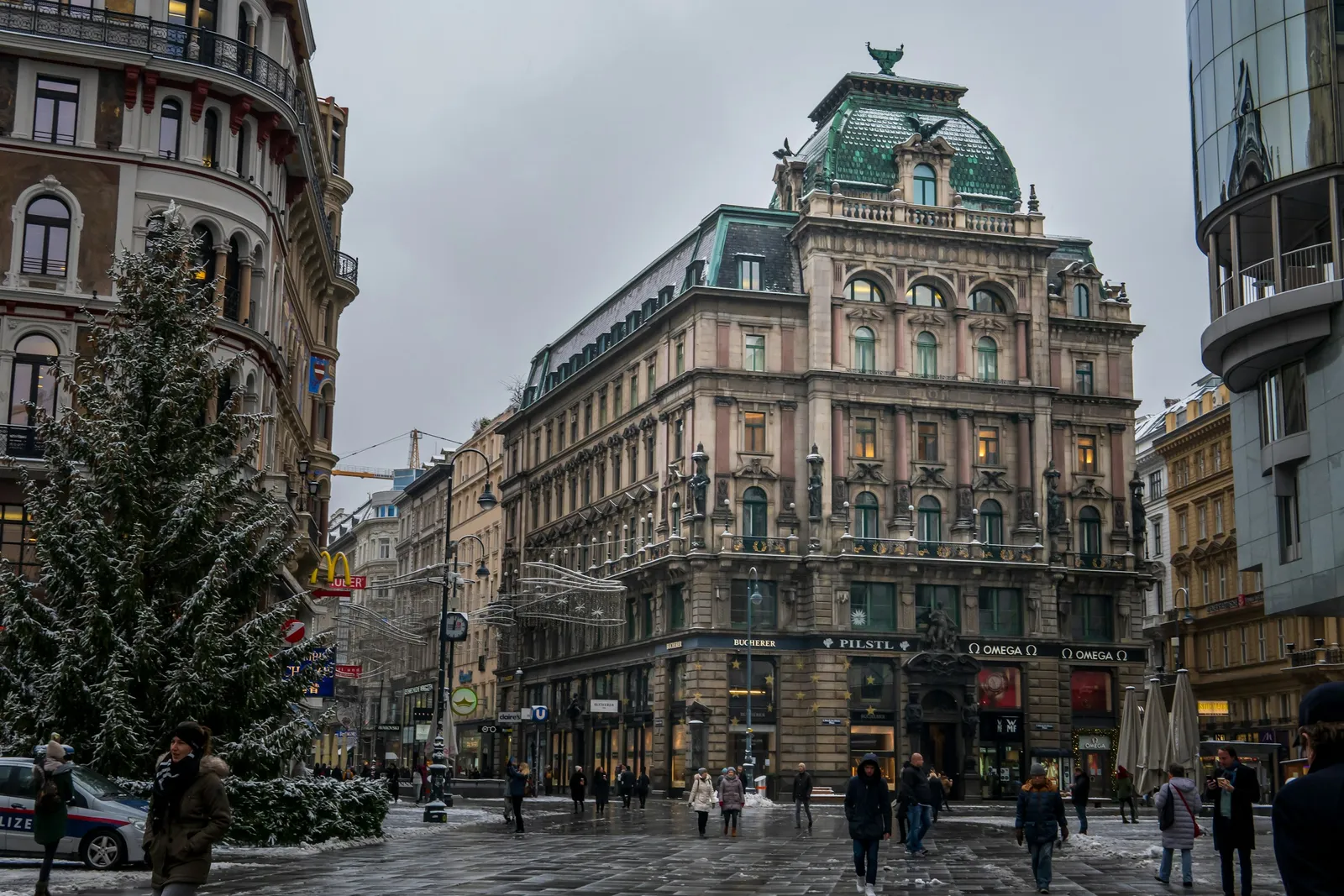
The Viennese apartment block is an asset class in its own right. It combines elements that rarely go hand in hand: scarce property in a growing city, regular income and development potential that can be realised over many years. It has weathered wars, periods of inflation and currency reforms — and has often been in the same family for generations.
That is precisely why it is an investment where mistakes have long-lasting consequences. Anyone wishing to get involved in 2025 should know what they’re getting themselves into.
Why this apartment block is special
Gründerzeit-style houses are no longer being built. The stock in Vienna is finite, and it is shrinking — through demolition, through conversion into owner-occupied flats, and through rezoning. At the same time, the city is growing, and demand for flats in established neighbourhoods is growing with it. This is the simplest explanation for the trend in property values over the last few decades, and it remains valid.
Then there is the structure: a block of flats with twenty flats spreads the risk across twenty tenants. If one defaults, the others cover the shortfall. And it offers flexibility that a single freehold flat never has — converting the loft, merging flats, refurbishment, re-letting.
Return on investment isn’t everything
The current yield on an investment property is modest. In prime locations, it is often below three per cent of the purchase price, and even lower for properties with many long-standing tenancy agreements. Anyone who focuses solely on the initial yield is making the wrong choice — or is buying in areas where the yield is high simply because there is little else to recommend the property.
Value is created in other ways: through rent adjustments on new tenancies, through loft conversions and refurbishments, through combining small flats into marketable layouts, and through the sheer scarcity of properties that nobody can build any more. An investment property is a ten- or twenty-year project, not a savings account.
Understanding tenancy law
Anyone who buys a Viennese tenement is buying tenancy agreements — and for buildings dating from before 1945, the Tenancy Law Act applies in its entirety. This means legally capped rents for many flats, surcharges and discounts in accordance with a set of guidelines, and rules governing fixed-term tenancies, maintenance and operating costs. From 2025, annual rent adjustments will also be capped by law.
That sounds like a constraint, and it is. But it is a familiar framework, and anyone familiar with it can work out: which tenancy agreements are old, which are due to expire, and which flats can be positioned differently when re-letting? The tenant mix is the most important figure in the data room — more important than the price per square metre.
What matters when buying
The key factors are location, condition and tenant mix, in that order. The location determines what can be achieved in the long term. The condition determines how much additional capital will be required over the next few years: roof, basement, service pipes, façade, stairwell, lift. A property with many long-standing tenancy agreements yields little return but offers great potential; a fully refurbished property with unfixed rents yields a return but offers little room for manoeuvre.
Added to this are questions that can only be clarified on site and in the data room: Are there any rent arrears, pending legal proceedings or regulatory requirements? Has the building been divided into separate units, and are individual units subject to freehold ownership? What is the designated use of the attic? Anyone who only carries out a superficial check here will pay the price later.
The invoice
A simple example: a house in an inner-city district with a two per cent initial yield, a good half of the flats under old tenancy agreements, the loft unfinished, and the façade untouched for decades. On paper, a poor investment. In reality: every new tenancy boosts the yield, the loft conversion finances the refurbishment, and in ten years’ time you’ll have a refurbished house with a lift, terrace flats and rents in line with the market, in a location that no one else can replicate.
Whether this strategy pays off depends on the owner’s patience, their capital and the quality of the execution. It doesn’t always work out. But when it does, the apartment block is the investment that beats all the others.
The launch in 2025
Investors entering the market now will find a market that is picking up again after two quiet years: interest rates are falling, sellers who have been waiting are returning, and competition for good properties is still manageable. This won’t last.
We often know about properties coming onto the market before they actually do — because we know their owners. And we’re open about which ones we’d buy and which ones we wouldn’t. When it comes to an investment you’re planning to hold for twenty years, that’s the most important advice you can get.